
CIOReview APAC Weekly Brief
Be first to read the latest tech news, Industry Leader's Insights, and CIO interviews of medium and large enterprises exclusively from CIOReview APAC
A featured contribution from Leadership Perspectives: a curated forum reserved for leaders nominated by our subscribers and vetted by the CIOReview Advisory Board.

SIPEF
Leading Transformation Beyond Technology
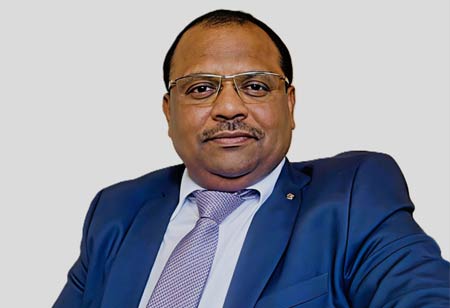
Daniel Suraboyini is an accomplished global IT leader with over 27 years of expertise in technology strategy, business transformation and innovation. Renowned for delivering high-impact solutions in enterprise systems, cybersecurity and M&A, he excels in aligning IT with business objectives to drive sustainable growth.
A Journey in Transformation
My professional journey in technology spans more than 27 years, beginning in software development and evolving into executive leadership roles across multiple industries and continents. From manufacturing and technology partnerships to shipping, oil & gas, aviation, and agrotech, each chapter has reinforced a truth that guides me to this day: transformation is never just about technology. Real impact comes when systems are aligned with strategy, people, and processes to deliver measurable and sustainable outcomes.
What first drew me to this field was the constant challenge of solving complex problems and enabling growth through innovation. Over the decades, I have led large-scale digital programs from enterprise-wide ERP deployments and cloud transitions to AI and data-driven decision-making, always with the conviction that technology must serve business objectives and create value for people.
But beyond the technical, there has been another, equally important dimension of my journey. The Lord’s grace and guidance have been a steady source of strength, enabling me to navigate complexity with clarity and humility. Equally, the unwavering support of my family has played a crucial role in sustaining me through the demands of leading major transformations across industries and geographies. Together, these spiritual and personal foundations have provided me with resilience and balance, allowing me to thrive in an environment that is both fast-paced and demanding.
Shaping a Leadership Style
Each stage of my career contributed to the leadership style I practice today. Early experiences managing large, cross-functional projects instilled discipline in governance and delivery. Later, leading diverse teams across regions taught me the importance of cultural sensitivity, adaptability, and empowering local talent.
“Real impact comes when systems are aligned with strategy, people, and processes to deliver measurable and sustainable outcomes”
Steering global transformations also revealed a vital truth: while vision and technology are critical, lasting change depends on people. My leadership approach has therefore been to combine technical foresight with collaborative execution, ensuring that transformation journeys are inclusive, transparent, and sustainable.
Balancing Innovation and Operational Demands
One of the most consistent challenges for technology leaders is striking a balance between operational reliability and the need for innovation. On one hand, organizations depend on stable systems to ensure business continuity. On the other hand, there is constant pressure to adopt new technologies that deliver agility, efficiency, and competitive advantage.
The key lies in designing roadmaps that combine immediate wins with long-term gains. For example, introducing predictive analytics or modernizing infrastructure should be phased in a way that builds confidence while minimizing disruption. Resistance to change is natural, but it can be overcome by engaging stakeholders early, communicating clearly, and demonstrating tangible value. This approach not only reduces fear but also builds momentum for larger initiatives.
Collaboration as the Cornerstone
Transformation succeeds when business and technology work as true partners. Too often, IT is viewed as a service provider; it must instead be seen as a strategic enabler. Embedding technology leaders in business conversations ensures that solutions are co-created, not imposed.
Equally important is aligning success metrics. When both business and technical teams measure outcomes in the same way, whether in terms of efficiency, uptime, or sustainability, accountability becomes shared and collaboration becomes more effective. This shift from parallel work to integrated effort has consistently produced lasting results.
Lessons for Future Leaders
For those aspiring to leadership in technology, a few lessons stand out from my own journey:
• Focus on business value: Technology is only meaningful when it drives outcomes that matter to the organization.
• Be adaptable: Industries, markets, and tools evolve rapidly. Leaders must pivot strategies and approaches without losing sight of the end goal.
• Lead with empathy and transparency: Transformation affects people at every level. Building trust is as critical as deploying systems.
• Invest in growth: Keep learning through certifications, mentoring, or international exposure. The next wave of innovation will demand new thinking.
• Stay grounded: Draw on your values, faith, and the support of loved ones. These provide the strength to lead effectively over the long term.
Looking Ahead
The next era of technology leadership will be defined by the ability to integrate innovation with responsibility. Data, AI, and automation will continue to reshape industries, but leaders must also ensure that these transformations support broader goals, such as sustainability and long-term resilience.
For me, the journey continues to be about blending vision with execution, not only building smarter systems but also enabling organizations and people to thrive in a rapidly changing world. Above all, leadership is both a privilege and a responsibility, sustained by technical expertise, personal values, spiritual grounding, and the support of those around us.
